

Engaging deeply with Gayatri Chakravorty Spivak's seminal essay, this project asks whether the immigrant woman — doubly marginalized by race and gender — can truly speak within the structures that claim to represent her.
Drawing on Henri Lefebvre's concept of the right to the city and Augusto Boal's Theatre of the Oppressed, the project creates space for immigrant women in Lisbon to articulate their presence through the language of thread and textile. The needle becomes a tool not of domesticity, but of agency.
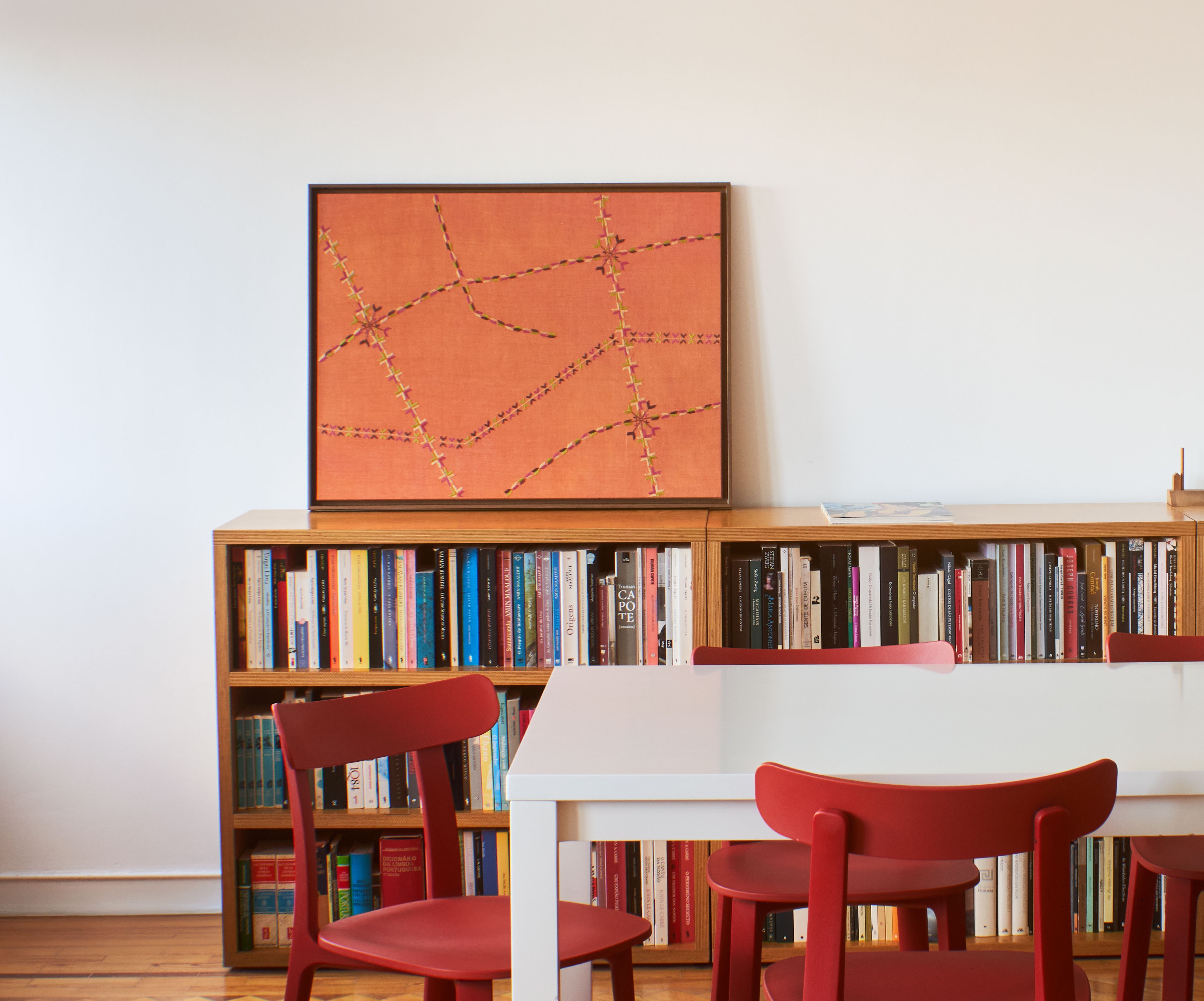
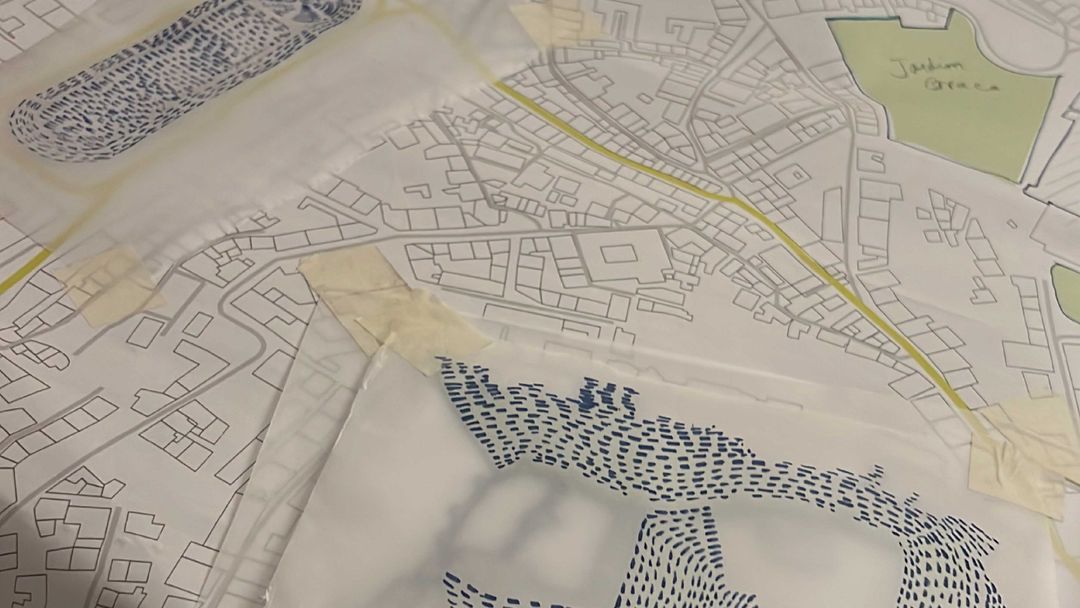
Through embroidered cartographies, participants map their daily navigations of the city — the invisible borders, the places of belonging, the zones of exclusion — creating a counter-archive of lived experience.

The documentation process is itself an act of care. Geolocated photographs trace the routes that participants walk daily, revealing the city as experienced rather than planned. Each image captures a threshold — a doorway, a market stall, a bench — where the immigrant woman pauses, rests, or makes herself visible.
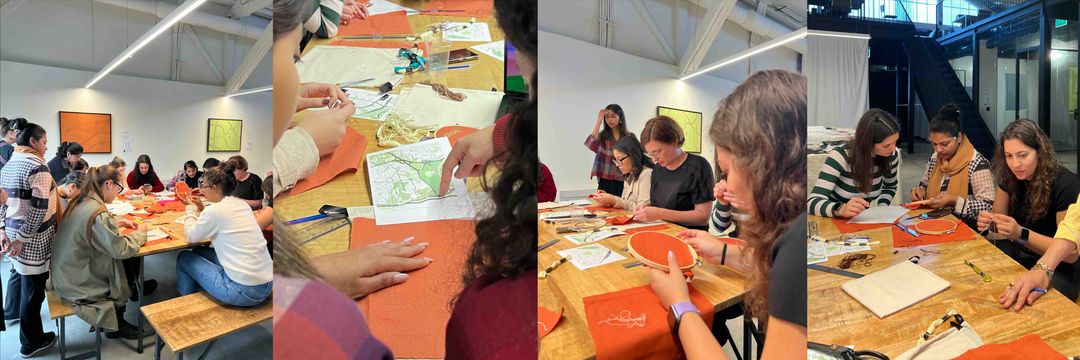
Workshops bring together immigrant women and Lisboetas in a shared space of making. Through slow, communal stitching, new conversations emerge — about borders both physical and psychological, about the labor of belonging, and about the quiet resistance embedded in every hand-sewn stitch.
The final artwork is a stitched cartography — a collective map that does not seek accuracy but truth. It documents not streets and buildings, but feelings, memories, and the micro-politics of daily survival.
Each thread is an embroidered dialogue about belonging and visibility — a declaration that the subaltern not only speaks, but stitches herself into the fabric of the city. The work challenges us to listen differently, to read the city through the hands that maintain it, care for it, and quietly transform it.